Pairing Guide

Discover how complementary flavors elevate the dining experience. From classic wine pairings to unexpected ice cream combinations, learn the principles that make every bite memorable.

Orientation

Understanding Food Pairings

Food pairing is both science and art. The most successful combinations balance flavors, textures, and aromas in ways that enhance rather than compete. Whether you're enjoying a gourmet sandwich from a quality delicatessen or savoring a frozen dessert on a summer afternoon, thoughtful pairings transform ordinary meals into memorable experiences.

The fundamental principle is harmony: flavors that share similar chemical compounds—or that provide intentional contrast—work together. Umami-rich cured meats pair beautifully with acidic pickles. Sweet ice cream finds balance with bitter chocolate or tart fruit. Temperature shifts add another dimension, creating textural interest that keeps the palate engaged.

Key Figures

Pairing Principles by the Numbers

Primary Taste Categories
5

Sweet, salty, sour, bitter, and umami form the foundation of all pairing decisions.

Flavor Compound Match Rate
73%

Foods that share volatile compounds create more naturally harmonious pairings.

Temperature Contrasts
3

Hot, cold, and room temperature elements create dynamic textural appeal.

The Art of Complementary Flavors

Successful pairings often hinge on three strategies. First, harmony through similarity: pairing foods that share flavor compounds creates intuitive appeal. A creamy ice cream and a buttery dessert work well together because they share rich dairy notes.

Second, balance through contrast: opposing flavors that respect each other's intensity can be extraordinary. The saltiness of cured meats against the sweetness of a fruit sauce, or the warmth of spiced nuts alongside cool frozen custard, creates memorable eating experiences.

Third, emphasis through isolation: when one flavor dominates, the supporting elements should recede. A bold artisanal bread pairs best with simple, high-quality spreads rather than competing ingredients.

The Specialty Food Association provides guidance on these principles across a broader look at how specialty and artisan foods are made and paired. The Specialty Food Association is a useful industry resource for anyone seeking to understand how craft producers approach complementary product development.
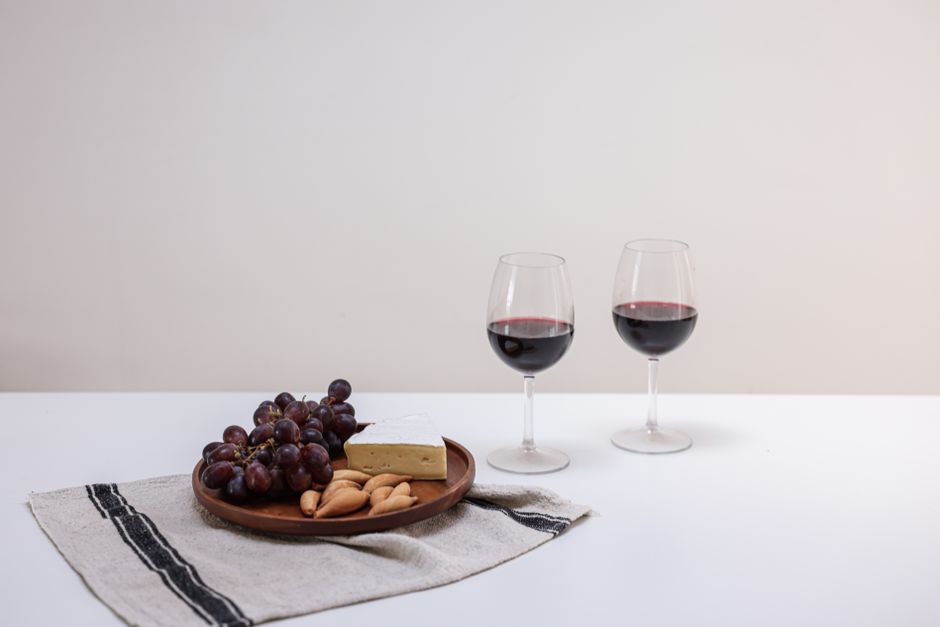
Specialty food pairings for deli and ice cream combinations
Thoughtful pairings balance flavor intensity and textural contrast to create cohesive eating experiences.
Reference Table

Pairing Combinations Guide

Primary Item Flavor Profile Recommended Pairings Why It Works
Roast Beef Sandwich Savory, umami-rich, warm Horseradish sauce, crisp pickles, aged cheddar Sharp and acidic elements cut through richness; umami compounds harmonize.
Prosciutto Pairing Salty, complex, delicate Fresh melon, creamy mozzarella, crusty bread Sweetness balances salt; fat content matches and sustains flavor.
Vanilla Ice Cream Sweet, creamy, warm vanilla notes Caramel sauce, fresh berries, warm apple pie Temperature contrast creates texture; complementary sweetness deepens perception.
Chocolate Gelato Bitter-sweet, rich, intense Espresso, sea salt flakes, candied orange peel Umami in coffee amplifies chocolate; salt and citrus provide brightness.
Spiced Turkey Sandwich Savory, aromatic, warm spice Cranberry sauce, sage mayo, sharp cheddar Spice compounds harmonize; acidity and herbs reinforce aromatic profile.
Strawberry Sorbet Sweet, bright, acidic natural Aged balsamic, fresh mint, dark chocolate Acid in balsamic and fruit enhance each other; chocolate adds depth.
How to Use This Guide

Applying Pairing Principles

1 Identify the Anchor

Start with your primary item—the sandwich, the ice cream, the main flavor that anchors the experience. Understand its dominant characteristics: Is it rich or light? Salty or sweet? Bold or subtle?

2 Assess Intensity Level

Rate the flavor intensity on a scale of one to five. Intense pairings (both strong flavors) work only if they share flavor compounds. Contrasting pairings need intensity balance to avoid overwhelming the palate.

3 Choose Your Strategy

Decide whether you'll emphasize harmony (similar flavors), contrast (complementary opposites), or isolation (letting one flavor dominate while supporting elements recede). Each approach creates different emotional responses in the dining experience.

4 Add Textural Elements

Consider temperature, crunch, and moisture. A warm sandwich benefits from cool pickles. Creamy ice cream gains interest from crispy cookie or wafer. These textural contrasts make pairings memorable.

5 Taste and Adjust

The best pairings are discovered through experimentation. Start with recommendations from this guide, then adjust seasonings, portions, and accompanying elements based on what your palate tells you.

Learning Resource

Expert Food Pairing Techniques

For a deeper understanding of food and wine pairing techniques, this video from industry experts breaks down the fundamental rules that govern successful combinations: