Production Methods in Artisan Food

Understanding how quality ice cream and deli foods are made, from sourcing to the case

What Makes Production Matter

When you walk into a quality deli or ice cream shop, what you're really buying is the cumulative result of countless production decisions. From ingredient selection to temperature control, the path from raw materials to finished product is where excellence gets built. The difference between average and exceptional ice cream or deli fare often comes down to production practices that most customers never see.

According to the National Ice Cream Retailers Association, small-batch producers increasingly compete on freshness and ingredient sourcing rather than volume alone. This shift reflects a broader movement where artisan makers prioritize quality production methods over mass-market efficiency. Understanding these methods helps you appreciate what goes into every scoop or sandwich.

Production isn't just about following recipes. It's about maintaining standards, understanding food safety, investing in proper equipment, and respecting the ingredients. A shop that invests in their production chain is a shop that's serious about what they deliver to customers.
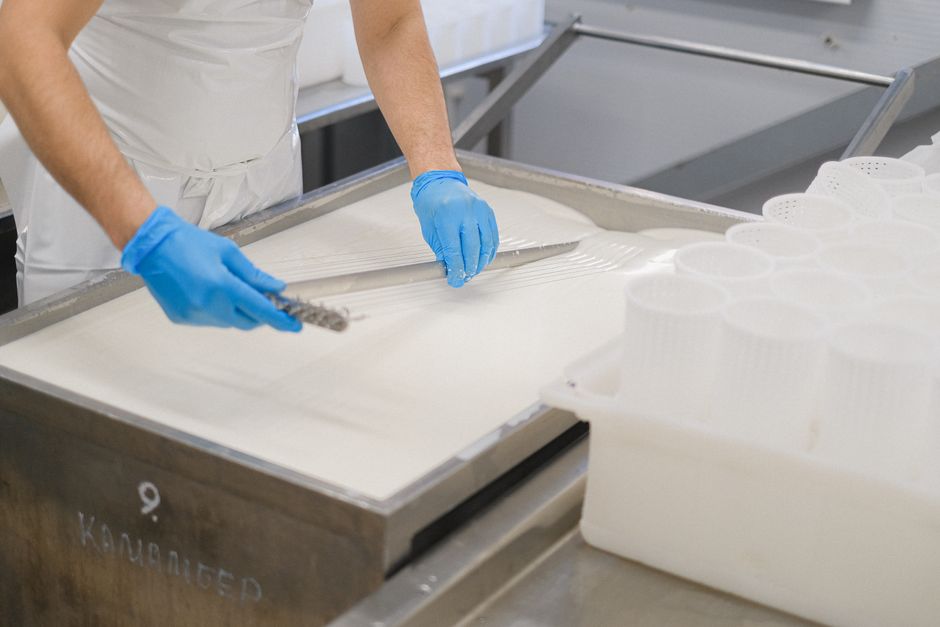
Artisan food production process for ice cream and deli items
Professional production environments maintain strict standards for safety and consistency.

Common Questions About Production

Smaller batches mean higher per-unit production costs. There's no economy of scale to spread labor, equipment, and ingredient expenses across thousands of units. But what you gain is flexibility—small-batch makers can use better ingredients, adjust recipes, respond to seasonal availability, and maintain closer quality control. When a producer chooses to make less product in order to make better product, that choice costs money. Customers who value quality understand why that matters.

Serious producers invest in specialized equipment: commercial-grade ice cream makers with precise temperature controls, deli slicers that deliver consistent thickness, proper freezer systems that prevent ice crystal formation, and food safety infrastructure like blast chillers. Good equipment costs thousands of dollars and requires ongoing maintenance. A shop with well-maintained, quality equipment demonstrates commitment to their craft.

Professional producers follow strict food safety protocols: maintaining precise temperatures throughout production and storage, testing ingredients, controlling cross-contamination, proper sanitation procedures, and staff training. These aren't optional extras—they're foundational requirements that separate professional operations from casual home cooking. Every quality producer has documented procedures and regular inspections.

Absolutely. Production methods directly affect taste, texture, and consistency. Proper pasteurization and slow freezing creates smoother ice cream. Careful deli production maintains meat texture and flavor. Temperature control prevents off-flavors. Ingredient freshness, which depends on production speed, shows up immediately in taste. When you eat something made with production care, it's noticeable.

Wholesale producers make large quantities for distribution to multiple retail locations. On-site producers make smaller batches directly for their customers. On-site production can mean fresher products since they don't travel or sit in storage. Wholesale can mean more consistent products through standardization, but potentially less freshness. Each approach has merits—what matters is whether the producer is transparent about their methods.

How to Evaluate Production Quality

  1. Ask about ingredients. A producer who can tell you where ingredients come from, why they chose them, and what's in the final product is someone who thinks about production. Be wary of vagueness around ingredients or sourcing.
  2. Look at the production space. Can you see into the kitchen or production area? Many quality producers have open layouts so customers can watch the work. Cleanliness, organization, and visible equipment investments tell you something about their standards.
  3. Check freshness signals. Ice cream that's creamy rather than icy suggests proper freezing methods. Deli meats that smell fresh and look vibrant suggest quick turnover and proper storage. These details matter.
  4. Understand the timeline. Ask how long products stay in inventory. Shorter timelines usually mean fresher products. A producer making ice cream daily is different from one using stock that's been frozen for weeks.
  5. Notice consistency. Visit more than once. Does the product taste the same? Does the service feel consistent? Professional production methods create consistency, which builds customer confidence.
  6. Evaluate transparency. Are they willing to answer questions about production? Do they proudly talk about their methods? Transparency about production is a sign of confidence in their standards.